

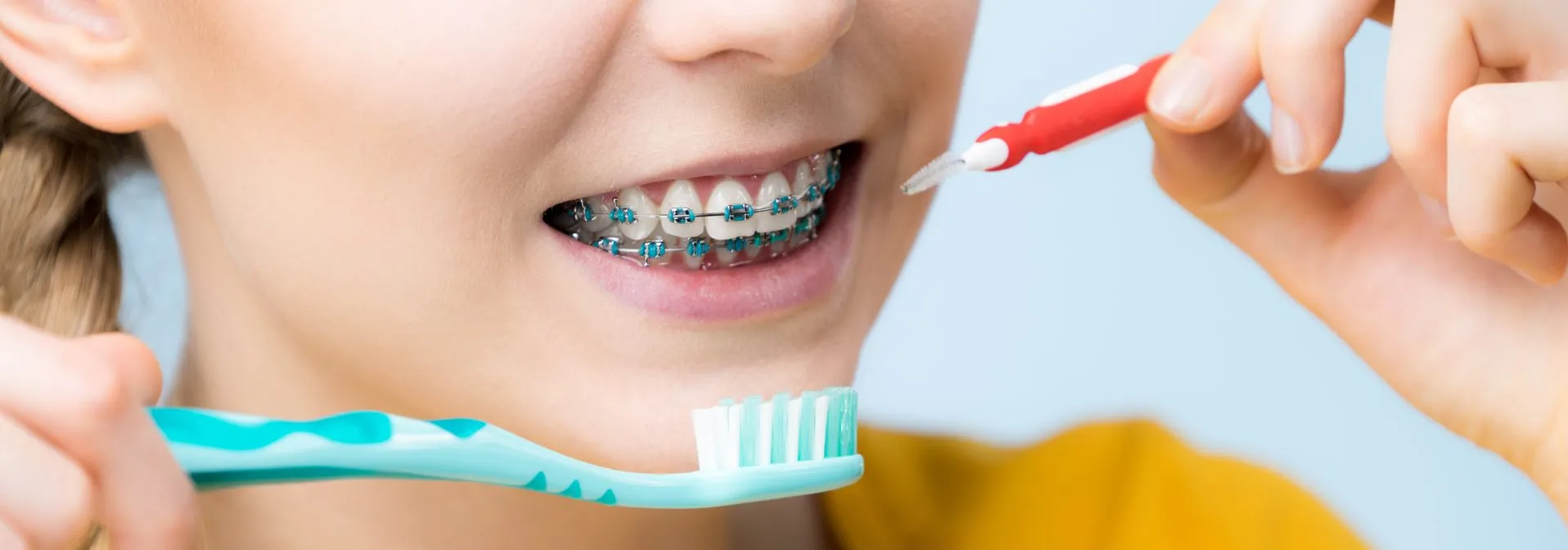
Getting braces is a big commitment, but the work doesn’t stop once the brackets are on. Not brushing teeth with braces can turn an exciting smile transformation into a frustrating cleanup project. Food particles, plaque, and bacteria find perfect hiding spots around brackets and wires, and when daily brushing gets skipped, the consequences go far beyond bad breath. We’re talking cavities, gum inflammation, and permanent white spots that can linger long after your braces come off. At River Mountain Orthodontics, Dr. Raymond McLagan and the team help Chattanooga families stay on track with healthy habits that protect both their orthodontic results and their overall oral health.
Why Skipping Brushing Does More Damage Than You Think
Not brushing teeth with braces isn’t just a recipe for one or two cavities. Plaque is sneaky. It settles between brackets and builds into a sticky biofilm that standard toothbrushes struggle to remove. Left alone, this buildup creates the perfect environment for gum swelling, infections, and those telltale white scar-like marks called decalcification spots. These marks don’t fade once they appear, even after braces are removed. When patients neglect oral hygiene, even the most precise orthodontic work can’t deliver the final look they’re hoping for. Gum health weakens, enamel loses its strength, and breath stays less than fresh, sometimes without obvious signs until the braces come off and the damage becomes visible.
Everyday Trouble Spots Around Braces
Brushing with braces can feel like a never-ending game of hide and seek. Tiny food particles wedge themselves between brackets, under wires, and along the gumline where they’re tough to reach. Plaque starts as an invisible film but transforms into sticky gunk within hours. If it stays put, it hardens into tartar, which only a dental professional can safely remove.
Common problems include:
- Red, swollen, or bleeding gums.
- Yellow stains are forming around brackets.
- Persistent bad breath that won’t go away.
Kids and adults alike often miss these issues as they develop. Your teeth may look fine with braces on, but trouble can be building up in places you can’t easily see.
Early Warning Signs You Shouldn’t Ignore
Most people don’t notice problems until they’ve progressed. When wearing braces, changes can happen gradually and without obvious symptoms. Early warning signs tend to be subtle, such as mild tenderness when eating, gums that bleed during flossing, or faint white lines forming near the edges of brackets. Those white spots are decalcification marks, and they’re permanent once they set in. Regular checkups help catch these issues before they become serious. Small shifts in gum color or enamel texture matter more than most people realize, especially while your smile is still in progress.
How Proper Brushing Protects Your Results
A few focused minutes each day keep braces clean and your smile moving in the right direction. Strong brushing clears away stubborn plaque, while floss threaders and interdental brushes reach the tight spaces where regular brushes can’t go. The team at River Mountain Orthodontics checks brushing technique at every visit, offering hands-on tips to make daily care easier.
Patients who stick with good oral hygiene habits see real differences:
- Less gum irritation and fewer worries about cavities
- Brighter enamel without surprise stains after braces are removed
- Smoother, more confident checkups
With braces, consistency is everything. A quick, thorough brush can have a lasting impact, saving you from extra appointments and unexpected dental work down the line.
Simple Steps for Brushing Success
Caring for braces doesn’t have to be complicated. These habits make a real difference:
Brush at least twice daily with a soft-bristle toothbrush and fluoride toothpaste. Angle the brush to clean above, below, and around each bracket.
Floss every day. Threaders or special orthodontic floss make getting around wires much easier.
Rinse after snacks. A quick rinse helps clear sticky foods and sugars before they settle in.
Replace your toothbrush regularly. Bristles wear out faster with braces, so swap them every few months or sooner if they start to fray.
If you’re curious about alternatives to metal braces, there are other options worth exploring. Either way, a few extra minutes of care each day truly protects your investment in a straight, healthy smile.
What Makes River Mountain Orthodontics Different
Your Chattanooga orthodontist offers more than just brackets and wires. At River Mountain Orthodontics, the focus is on giving patients the tools and support they need to succeed with braces. The office uses digital scanners and modern technology to make appointments more comfortable and efficient. But beyond the equipment, it’s the personal attention that makes a difference. The team genuinely cares about seeing every patient finish treatment with healthy teeth that shine.
If you have questions about caring for braces or want to know more about why patients choose this practice, the team is ready to help. There’s also a convenient Hixson location for families who prefer that area. And if you’re wondering about common concerns, check out the orthodontic FAQs for quick answers.
Keep Your Braces Working and Your Smile Healthy
Even if not brushing teeth with braces has caused some setbacks, it’s never too late to build better habits. Strong daily care keeps your orthodontic treatment on track and protects the results you’re working toward. At River Mountain Orthodontics, you’ll find practical advice, helpful reminders, and support from a team that genuinely wants to see you succeed.
Ready to get started or have questions about your current care routine? Contact the office or use Google Maps to find the location nearest you. Your smile deserves care that goes beyond just straightening teeth. Let’s make sure those braces deliver results that last.