

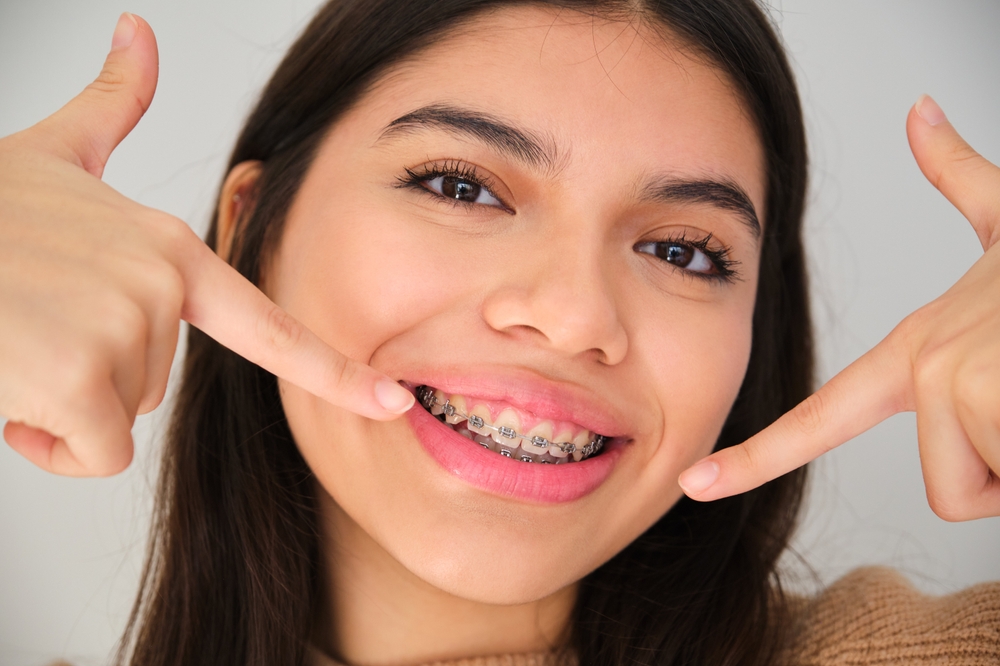
For parents noticing crowded baby teeth, an unusual bite, or a jaw that looks off, phase 1 treatment in Lafayette offers a way to address those concerns before they become harder to correct. At River Mountain Orthodontics, we work with children during a window of active growth when guiding jaw development and tooth positioning is most effective. Early care doesn’t always mean a long treatment process; often, it means fewer complications later.
What Is Phase 1 Orthodontic Treatment?
Phase 1 orthodontics, sometimes called early interceptive treatment, is a targeted course of care for children typically between the ages of seven and ten. Rather than waiting for all permanent teeth to come in, this phase focuses on the jaw and bite while growth is still happening. The goal is to create enough space for incoming adult teeth, correct developing bite problems, and address habits that can alter tooth alignment over time.
Dr. Raymond McLagan and our team start with a thorough evaluation, including photos and X-rays, to assess where things stand and what, if anything, needs attention now. From there, we build a plan around your child’s specific growth stage, not a generic timeline.
Signs Your Child May Need Early Evaluation
The American Association of Orthodontists recommends that children have an orthodontic screening by age seven. That doesn’t mean treatment always begins then, but it gives us a clear baseline. Some signs that earlier intervention may be worthwhile include:
- Severe crowding of baby or incoming teeth.
- An open bite, crossbite, or noticeable jaw asymmetry.
- Prolonged thumb sucking or pacifier use past toddler years.
- Concerns about chewing, speech, or breathing flagged by a dentist or pediatrician.
If your child’s regular dentist has mentioned any of these, an orthodontic evaluation is a reasonable next step.
What Phase 1 Treatment in Lafayette Looks Like
The first appointment covers medical history, bite function, photos, and X-rays. If phase 1 treatment is recommended, we use appliances suited to your child’s growth stage and daily routine. Appointments are typically under an hour, and we walk both parents and kids through exactly what’s happening and why.
After the active phase wraps up, we move into a monitoring period where we track how permanent teeth are coming in and whether the jaw is developing as expected. Check-ins during this phase happen every three to six months. If everything progresses well, no additional work may be needed until all adult teeth are present. If crowding or bite issues persist, we plan phase 2 care to coincide with growth completion.
For families who also see us in Tennessee, our Chattanooga practice offers the same standard of coordinated care across locations.
Key Benefits of Early Orthodontic Care
- Guides jaw growth during the window when it’s most responsive to correction.
- Creates space for permanent teeth, reducing the likelihood of serious crowding.
- Corrects harmful habits, such as thumb sucking, before they permanently affect tooth position.
- Can improve chewing function, speech clarity, and overall oral health earlier in life.
- Often shortens or simplifies comprehensive treatment later.
How to Support Treatment at Home
Phase 1 works best when care continues between appointments. Consistent brushing and flossing after meals matter more with appliances in place. Checking appliances daily for loose or broken parts and promptly contacting us when something seems off keeps treatment on schedule. Keeping a calendar for appointments and packing a small care kit for school, including wax and a soft toothbrush, helps kids manage on their own during the day.
Treatment Approaches We Use
We tailor each plan to the child. Depending on the evaluation, options may include fixed or removable appliances, habit-appliance therapy, or guided growth devices. Our team coordinates with your child’s general dentist throughout the process so everyone involved in their care is on the same page. For a broader look at what pediatric orthodontic care involves at different stages, or to understand how treatment options differ by age and case complexity, those resources give a fuller picture. Families with older kids or adults in treatment can also find relevant details on our adult orthodontics page.
You can find office hours and directions for our Lafayette office on our locations page.
Frequently Asked Questions
When should my child first see an orthodontist?
Age seven is the general recommendation. At that point, enough permanent teeth are present to evaluate alignment and jaw development meaningfully.
Will phase 1 treatment eliminate the need for braces later?
Not always, but it often reduces the complexity of later care. Some children complete phase 1 and need little to no additional treatment; others move into a phase 2 plan at the right time.
How long does phase 1 last?
Most plans run six to eighteen months, followed by a monitoring period until the remaining permanent teeth come in.
Is it uncomfortable?
Some pressure or soreness after adjustments is normal and usually passes within a couple of days. We give kids and parents clear guidance on how to manage it.
How do I get started?
You can contact our office to schedule an evaluation. Bringing any recent dental records and a list of your child’s medications helps us hit the ground running at the first visit.
Book an Evaluation Before the School Year Gets Away From You
Fitting an orthodontic evaluation into a busy family schedule is easier when you plan ahead. If you’ve been meaning to have your child checked or have questions about what you’ve been noticing, now is a practical time to act. Reach out to River Mountain Orthodontics, and we’ll find a time that works for your family.