

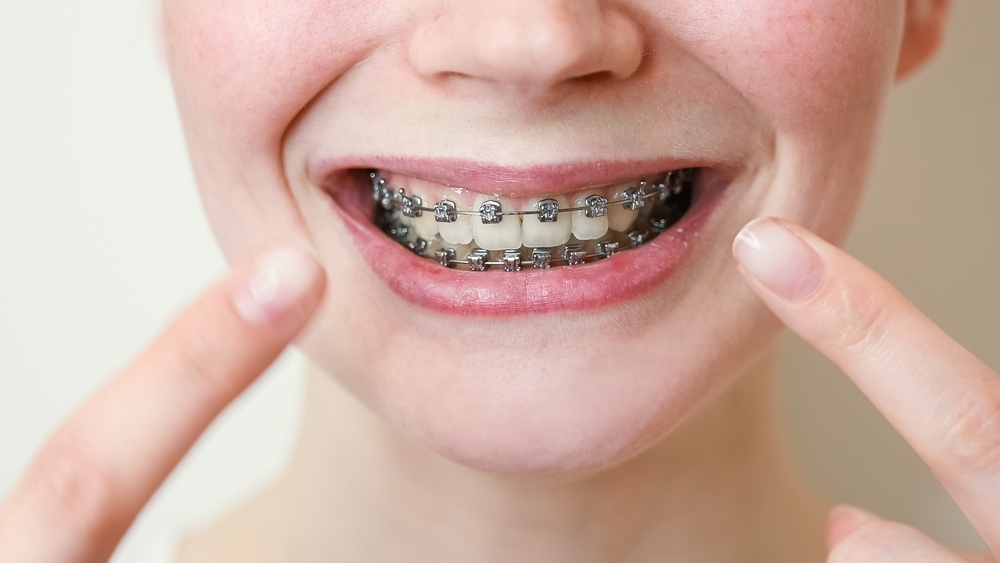
Families and adults researching traditional braces in Hixson often have the same questions: how long will this take, will it hurt, and how do braces fit around school, work, and everything else? At River Mountain Orthodontics, we think the best way to answer those questions is to be direct about what braces involve, who they’re right for, and why they’re a reliable choice for so many patients.
What Are Traditional Braces?
Traditional braces are a fixed orthodontic system that moves teeth using brackets bonded to each tooth and an archwire threaded through them. The wire applies steady, controlled pressure, and we adjust it at regular intervals to guide teeth into proper position over time. Braces can correct crowded teeth, gaps, overbites, underbites, crossbites, and misaligned teeth that need precise rotation or vertical movement. They work for patients of nearly every age and remain one of the most effective tools in orthodontics for handling complex cases.
Traditional Braces in Hixson: How Treatment Works
Once we’ve reviewed your scans and X-rays and discussed your goals, bracket placement is straightforward. We bond a bracket to each tooth and connect them with an initial archwire. From there, you’ll come in for adjustments every 4 to 8 weeks. At each visit, we assess progress and adjust the wire tension to keep things moving in the right direction.
Most patients feel some pressure in the first few days after placement and after each adjustment. That settles quickly and is a normal response of teeth to movement. We go over what to expect at each stage and give you practical tips to stay comfortable.
Key Benefits of Traditional Braces
Here’s why braces remain a go-to option even with so many alternatives available:
- Handles complex bite issues and severe crowding that other options may struggle to correct
- Provides continuous, predictable force for consistent tooth movement
- Works across a wide age range, from teens to adults
- Gives precise control over tooth rotation and vertical positioning
- Tends to be more cost-accessible than some alternative treatments
For patients with significant alignment or bite concerns, braces often deliver results that other systems simply can’t match.
Who Is a Good Candidate?
Braces are a strong fit for patients dealing with crowded teeth, large gaps, overbites, underbites, or teeth that need significant rotation. Most teens start treatment after their permanent teeth have come in. Adults are equally good candidates, especially when the correction needed goes beyond what a removable appliance can reliably achieve.
If you’re not sure whether braces are the right fit, an evaluation gives you a clear picture. Dr. Raymond McLagan reviews each case individually and walks you through realistic timelines and options before any decisions are made.
Caring for Your Braces
Good home care keeps treatment on track. The basics matter more than most people expect:
- Brush after every meal with a soft-bristle toothbrush and fluoride toothpaste.
- Floss daily using a floss threader or interdental brush to clean between brackets and wires.
- Avoid hard, sticky, or chewy foods that can bend wires or pull off brackets.
- Wear a mouthguard during contact sports to protect your teeth and appliances.
Keeping brackets intact and teeth clean throughout treatment helps prevent delays and protect enamel as everything shifts into place.
Frequently Asked Questions
Do braces hurt?
You’ll likely feel pressure for a few days after placement and after each adjustment appointment. Over-the-counter pain relief and soft foods help during those windows, and the discomfort fades as your teeth settle.
How long does treatment take?
Most cases run between 12 and 30 months, depending on how much correction is needed. We give you a realistic estimate after your initial exam.
Can adults get braces?
Absolutely. Adult orthodontics with braces follows the same bracket-and-wire approach, with treatment planned around aesthetics and scheduling preferences.
What if a bracket breaks?
Call us, and we’ll get you in as quickly as possible. We’ll also walk you through any temporary steps to take.
Will I need a retainer after braces?
Yes, and that part is non-negotiable. Retainers hold your final tooth positions, and we build a retention plan specific to your case once treatment wraps up.
What to Expect at River Mountain Orthodontics
Your first appointment includes a full oral exam, digital X-rays, and a conversation about timing and what treatment involves. Nothing is rushed, and no one gets pushed into a decision. If you want background on the practice and how we approach care, the about our practice page is worth a look.
We treat patients across a range of ages and needs. Our metal braces and pediatric orthodontics pages cover more details on specific treatment paths. For directions and office information, visit the locations page.
Schedule Your Evaluation
If traditional braces in Hixson sound like the right direction, the clearest next move is an evaluation. Contact our team, and we’ll find a time that fits your schedule. Come in with your questions and leave with a plan.