

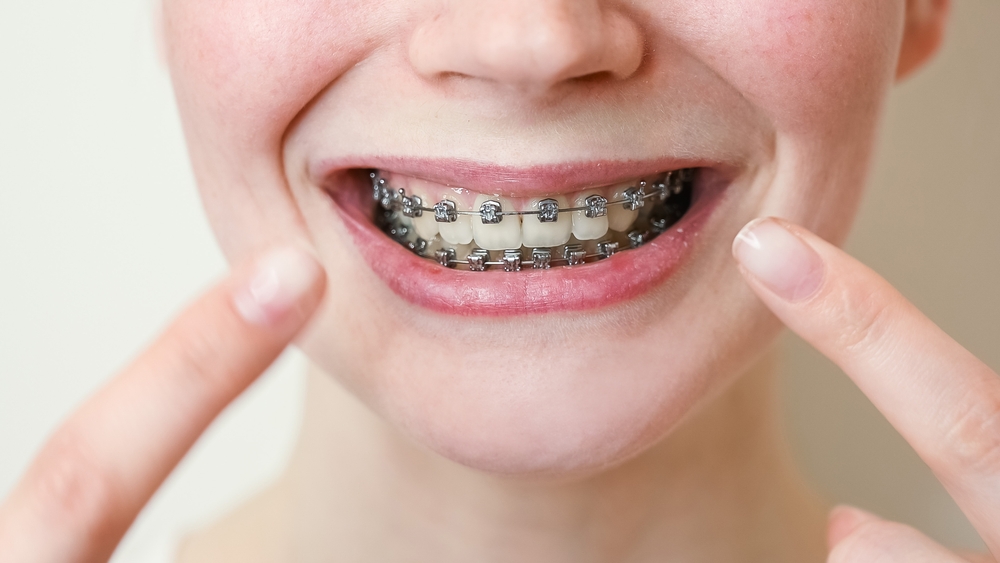
Traditional braces in Dayton, TN, remain a trusted way to straighten teeth and correct a wide range of orthodontic concerns. At River Mountain Orthodontics, Dr. Raymond McLagan and our team provide personalized orthodontic care for teens and adults, helping patients understand what to expect at every stage of treatment.
If you are considering braces for yourself or your child, knowing how treatment works can make the decision easier. Here is what you should know about traditional braces, including how they move teeth, what treatment involves, and five important benefits.
What Are Traditional Braces?
Traditional braces use brackets and archwires to gradually guide teeth into healthier positions. A bracket is attached to each tooth, and a wire connects the brackets. Together, these components apply gentle, controlled pressure that moves the teeth over time.
Because braces remain in place throughout treatment, your orthodontist can maintain precise control over tooth movement. This makes metal braces especially useful for treating concerns such as crowded teeth, spacing, bite problems, rotations, and more complicated tooth movements.
Unlike removable aligners, braces do not depend on remembering to put trays back in after meals or activities. They work continuously as you go about your normal routine.
What Happens Before You Get Braces?
Orthodontic treatment starts with an evaluation of your teeth, bite, and overall orthodontic needs. Your first visits may include:
- An orthodontic examination
- Photos of your teeth and smile
- X-rays to evaluate your teeth, roots, and jaws
- A discussion of your treatment goals
- A personalized treatment recommendation
This is also the right time to ask questions about treatment length, oral hygiene, sports, school or work schedules, and what daily life with braces may look like.
Dr. Raymond McLagan and the River Mountain Orthodontics team can help you understand whether traditional braces are the right fit for your smile. You can learn more about Dr. McLagan and the practice before your first visit.
How Do Traditional Braces Work?
After your brackets and first archwire are placed, the wire applies gentle pressure that gradually encourages your teeth to move.
You will return for regular orthodontic appointments so your progress can be checked and your treatment can be adjusted when needed. Depending on your treatment plan, these appointments may involve changing an archwire, making other adjustments, or adding elastics to help correct your bite.
Every smile is different, so treatment length depends on the type and complexity of correction you need. Your orthodontist can give you a more individualized estimate after evaluating your teeth and bite.
Traditional braces can be an option for patients at many stages of life. Adults who have never received orthodontic care—or whose teeth have shifted since earlier treatment—can also explore adult orthodontic treatment at River Mountain Orthodontics.
What Can You Expect During Braces Treatment?
It is normal to notice some pressure or tenderness after braces are first placed or following certain adjustments. This discomfort is generally temporary, and softer foods can make eating more comfortable during the first few days.
Good oral hygiene is especially important while wearing braces. Food and plaque can collect around brackets and wires, so you will need to brush carefully and clean between your teeth as directed by your orthodontic team.
You will also need to protect your braces from damage. Your team can explain which foods to avoid and how to care for your braces during sports and other activities.
Keeping your scheduled appointments is another important part of staying on track. These visits allow your orthodontist to evaluate tooth movement, make necessary adjustments, and address any questions you have along the way.
5 Benefits of Traditional Braces in Dayton
1. They Can Treat Complex Orthodontic Problems
Traditional braces give an orthodontist precise control over how individual teeth move. They can address many types of crowding, spacing, tooth rotation, and bite problems, including cases that require more complicated movements.
2. They Work for Teens and Adults
Braces are not limited to teenagers. Adults can also benefit from orthodontic treatment when they want to improve the alignment, function, or appearance of their smiles.
Your age alone does not determine whether braces are appropriate. The health of your teeth and supporting tissues, along with your orthodontic needs, plays a much larger role.
3. They Provide Precise, Continuous Tooth Movement
Because brackets and wires remain attached to the teeth, braces work around the clock. Your orthodontist can make carefully planned adjustments throughout treatment to guide each tooth toward its intended position.
4. You Do Not Have to Remember to Wear Aligners
Removable orthodontic appliances require patients to follow a daily wear schedule. Traditional braces stay on your teeth, so there are no trays to remove for meals, misplace, or forget to put back in.
For some patients and families, that simplicity can make it easier to stay consistent with treatment.
5. They Are a Proven Orthodontic Treatment
Traditional braces have been used for decades, and today’s brackets, wires, and treatment-planning techniques continue to improve. They remain an effective option for patients who need dependable control over tooth movement.
The right treatment still depends on your individual needs, so an orthodontic evaluation is the best way to compare braces with other available options.
Frequently Asked Questions About Traditional Braces
Do Traditional Braces Hurt?
Braces should not cause constant pain, but you may experience temporary pressure or tenderness when they are first placed and after some adjustments. This usually improves as your mouth adapts.
How Long Do Traditional Braces Take?
Treatment time depends on how much tooth movement and bite correction you need. Your orthodontist will provide a more personalized timeline after completing your evaluation and treatment plan.
Can Adults Get Traditional Braces?
Yes. Many adults are candidates for orthodontic treatment. Traditional braces can be particularly useful when precise or more complex tooth movements are required.
Can I Play Sports With Braces?
Yes. Patients with braces can continue playing sports. A properly fitted orthodontic mouthguard may be recommended for contact or high-impact activities to help protect your teeth, lips, cheeks, and braces.
Can I Play a Musical Instrument With Braces?
Yes. Many patients continue playing wind and brass instruments while wearing braces. It may take a little time to adjust after the braces are placed.
What Happens After My Braces Come Off?
After active orthodontic treatment, you will typically wear a retainer to help maintain the new positions of your teeth. Following your retainer instructions is an important part of protecting your results.
You can find answers to more common treatment questions in River Mountain Orthodontics’ orthodontic FAQs.
Start Your Braces Consultation in Dayton, TN
Choosing orthodontic treatment is an investment in your smile, and having a local team available throughout the process can make your experience easier.
River Mountain Orthodontics provides orthodontic care at its Dayton and surrounding locations.
Dr. Raymond McLagan and the River Mountain Orthodontics team are ready to evaluate your smile, discuss your goals, and determine whether traditional braces are right for you.
Take the next step toward a healthier, straighter smile. Schedule your consultation with River Mountain Orthodontics today.