

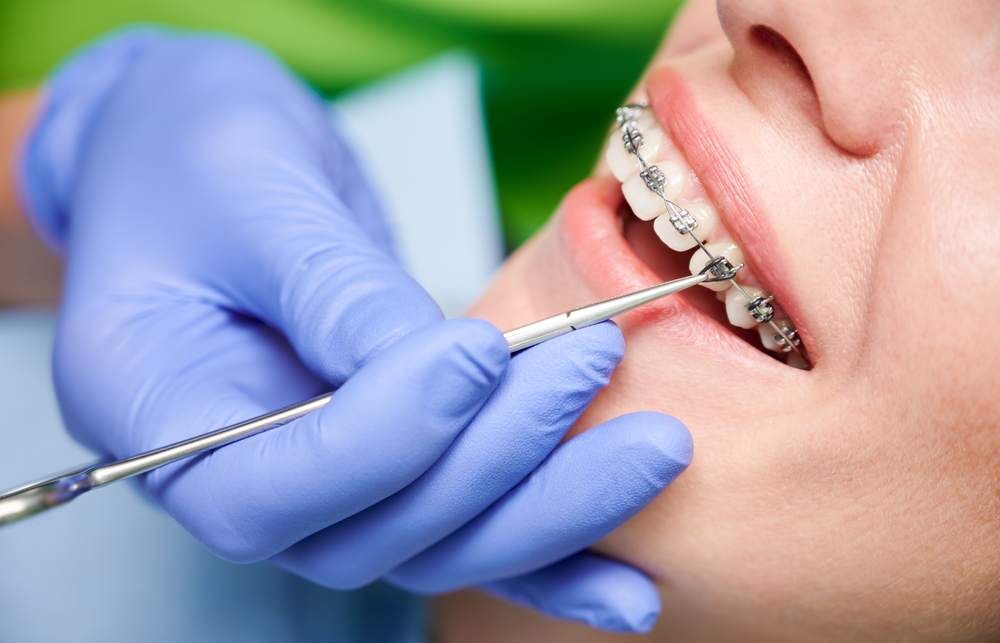
Most parents don’t think about orthodontics until their child has a full set of adult teeth. But catching certain issues earlier, during what’s called phase 1 treatment, can change the entire course of a child’s dental development. Families in Hixson are increasingly choosing phase 1 treatment to address jaw growth, bite problems, and crowding before they become harder to fix. At River Mountain Orthodontics, we work with kids typically ages 6 to 10 to lay the right foundation before the permanent teeth finish coming in.
What Is Phase 1 Treatment?
Phase 1 treatment is an early orthodontic intervention designed for children whose mouths are still actively growing. The goal isn’t to finish everything in one round; it’s to correct specific structural problems while the jaw is still responsive to guidance. Depending on what we find, treatment might involve expanders, limited braces, space maintainers, or specialized retainers.
The timing matters. A child’s jaw is far more adaptable at age 7 or 8 than it will be at 14. By addressing problems during this window, we can often reduce the complexity of whatever comes next, whether that’s a shorter phase 2 in braces or, in some cases, no second phase at all.
Common Issues We Catch Early
Not every child needs phase 1 treatment, but there are clear signs we look for during early evaluations. Some of the most common concerns include:
- Crowded baby teeth with insufficient space for adult teeth to come in properly
- Crossbites, underbites, or noticeable jaw shifts
- Thumb-sucking or tongue thrust habits that are affecting jaw development
- Teeth that protrude and are more vulnerable to chipping
- Early baby tooth loss causes neighboring teeth to drift
Spotting these issues early doesn’t just make treatment easier. It can reduce the likelihood of extractions, jaw surgery, or extended treatment during the teenage years.
5 Benefits of Phase 1 Treatment in Hixson
Parents often ask whether early treatment is really necessary or whether waiting makes more sense. Here’s what early intervention tends to produce:
- Reduced need for tooth extractions as permanent teeth come in with more room to work with
- Less time in braces as a teenager because major structural issues are already corrected
- Better jaw alignment that supports healthy bite function for years to come
- Improved speech and chewing in kids whose development was affected by jaw or bite irregularities
- More confidence at a stage of life when kids are especially aware of how they look
Phase 1 treatment isn’t about rushing the process. It’s about doing the right thing at the right time, so the rest of orthodontic care is less burdensome.
What Phase 1 Treatment Looks Like at River Mountain Orthodontics
Your child’s first visit starts with a thorough exam, digital X-rays, and scans to see exactly what’s happening below the surface. Dr. Raymond McLagan takes the time to walk parents through the findings and explain what we’re addressing and why. Nothing gets started without a clear understanding of the plan.
Appliances used in phase 1 are age-appropriate and designed to work with how a young mouth grows, not against it. Kids tend to adapt faster than parents expect, and our team is straightforward about what to expect at each stage, including how to manage any soreness in the first few days.
Phase 1 typically runs about 9 to 12 months, followed by a rest period during which we monitor the permanent teeth as they come in. After that, we reassess. Some kids move into phase 2 with metal braces or other appliances. Others need very little additional work. Either way, we’re tracking progress the whole time.
If you have older kids or teens who missed the early intervention window, our pediatric orthodontics and adult orthodontics options cover a full range of ages and cases.
Frequently Asked Questions About Phase 1 Treatment
When should my child have their first orthodontic evaluation?
The American Association of Orthodontists recommends age 7. Even if everything looks fine, an early evaluation gives us a baseline and helps us catch anything worth monitoring.
How long does phase 1 treatment take?
Most cases run between 9 and 12 months, though the timeline depends on what we’re correcting and how your child’s growth responds.
Will my child still need braces after phase 1?
Often, yes, but phase 1 usually makes phase 2 shorter and simpler. In some cases, it reduces or eliminates the need for additional treatment entirely.
Does phase 1 treatment hurt?
Mild soreness is normal after adjustments, but kids adjust quickly. We give you specific guidance on what to expect and how to manage any discomfort.
Where can I find answers to other orthodontic questions?
Our orthodontic FAQ page covers a wide range of questions for parents and patients at every stage.
Schedule Your Child’s Early Evaluation
If you’ve noticed crowding, a bite that seems off, or habits that might be affecting how your child’s jaw is developing, an evaluation is worth scheduling sooner rather than later. Find our office on Google Maps or reach out through our contact page to get on the schedule. An early look costs nothing but time, and for many families, it’s the decision they’re most glad they made.